


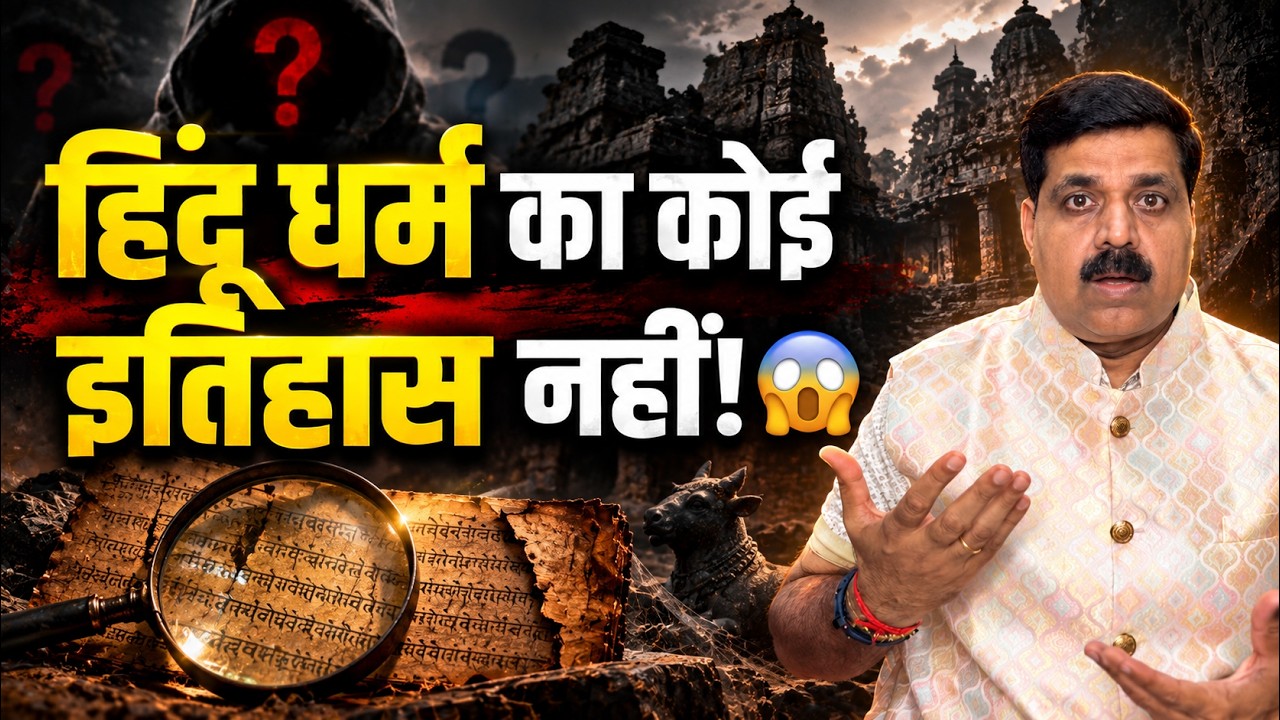
Sanatan Dharma, widely known as Hinduism, is one of the world’s oldest living religious traditions. Unlike many religions, it has no single founder or universally accepted starting date. Its roots are connected to ancient Indian civilizations, including the Indus Valley Civilization, and the development of Vedic traditions.
The four Vedas—Rigveda, Samaveda, Yajurveda, and Atharvaveda—form an important foundation of Hindu religious thought. Later, the Upanishads explored profound philosophical ideas such as karma, rebirth, and moksha, shaping the spiritual understanding of generations.
Sacred texts like the Ramayana, Mahabharata, and Bhagavad Gita continue to influence Hindu beliefs, values, and everyday life. Over centuries, traditions devoted to Lord Shiva, Lord Vishnu, Goddess Shakti, and other deities evolved alongside diverse philosophical schools and devotional movements.
The Bhakti movement further enriched Hindu spirituality, while spiritual leaders like Swami Vivekananda introduced Indian philosophical ideas to audiences around the world.
So, when did Hinduism begin? Its origins cannot be explained by one date or event. Discover the fascinating history, ancient scriptures, and spiritual traditions that shaped Sanatan Dharma through this journey with Sanatan Tourist History.